
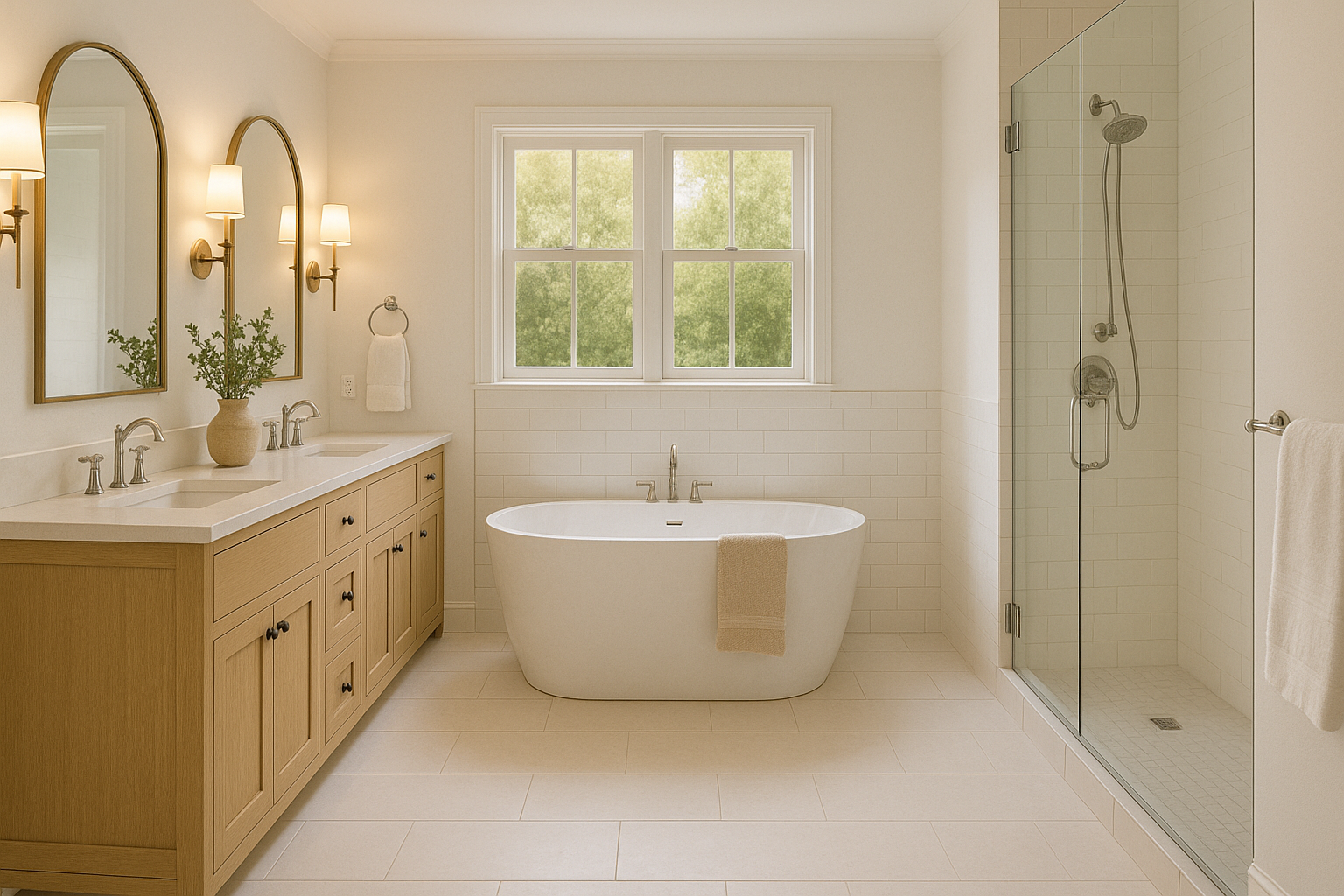
A bathroom remodel is one of the most valuable upgrades you can make to your home. Whether you’re refreshing an outdated space, improving comfort, or increasing property value, proper planning is the key to a smooth, stress-free renovation. Before picking tile or paint colors, it’s important to think through layout, plumbing, materials, and budget—all the elements that shape a successful bathroom transformation.
Here’s a step-by-step guide to planning your bathroom remodel like a pro.
1. Identify Your Goals for the Remodel
Start by understanding why you’re remodeling. This guides every decision moving forward.
Ask yourself:
Do you want better functionality? (More storage, improved layout, safer shower, larger vanity)
Are you aiming for a modern update? (New tile, fixtures, lighting, finishes)
Do you need better durability? (Waterproof flooring, better ventilation, mold-resistant surfaces)
Are you preparing for aging-in-place? (Grab bars, curbless shower, wider doorway)
Is this bathroom for guests, kids, or the primary suite?
Defining your purpose helps you prioritize your budget and design choices.
2. Determine Your Budget Range
Bathroom remodels can vary widely in cost depending on size, materials, and scope:
Cosmetic refresh: $2,500–$7,500
Mid-range remodel: $10,000–$25,000
Luxury upgrade: $25,000–$50,000+
Build your budget around these key categories:
Plumbing fixtures (toilet, shower, tub, faucets)
Tile and flooring
Vanity and countertops
Lighting and electrical
Ventilation
Paint and finishes
Labor and installation
Pro Tip: Keep a 10–20% cushion for hidden issues—bathrooms often reveal surprises like old plumbing, water damage, or outdated electrical.
3. Plan the Layout Before Selecting Materials
Layout is the backbone of your remodel. Consider:
Keep Plumbing in the Same Place (to save money).
Moving a toilet or shower drastically increases cost.
Optimize how you use the space:
Do you want a larger shower instead of a tub?
Could a smaller vanity make the room feel bigger?
Would a recessed niche or medicine cabinet add more storage?
Think about traffic flow:
Can the door swing hit the toilet or vanity?
Would a pocket door or barn door save space?
A well-planned layout maximizes comfort and efficiency.
4. Choose the Right Materials for Durability
Bathrooms deal with water, humidity, and constant use. Pick materials that are stylish and built to last.
Flooring:
Porcelain tile (most durable)
Ceramic tile (affordable, wide styles)
Luxury vinyl tile (waterproof and warmer underfoot)
Shower Walls:
Porcelain/ceramic tile
Large-format wall tile
Solid-surface panels for fewer grout lines
Countertops:
Quartz (top choice for durability)
Granite
Marble (beautiful but requires maintenance)
Moisture-Resistant Paint & Trim:
Choose paints labeled for bathrooms and mold-resistant backer boards for wet areas.
5. Upgrade the Essentials: Plumbing, Electrical & Ventilation
Behind-the-scenes work is just as important as the final look.
Plumbing:
Consider upgrading old valves, drains, and supply lines—especially in older homes.
Electrical:
Add GFCI outlets
Install brighter vanity lighting
Add recessed lights or LED strips in showers
Consider a lighted mirror for modern appeal
Ventilation:
A high-quality exhaust fan prevents mold, mildew, and peeling paint—don’t skip this step.
6. Select Fixtures That Match Your Style
This is where your bathroom’s personality comes to life.
Faucet style (modern, traditional, black, brushed nickel, brass)
Vanity size and finish
Shower system (rain head, handheld, body sprays)
Toilet comfort height or water-saving models
Hardware and accessories
Create a cohesive palette by choosing finishes that complement each other—e.g., matte black + wood + white tile.
7. Build a Realistic Timeline
Bathroom remodel timelines vary:
Small refresh: 1–2 weeks
Standard remodel: 3–5 weeks
Full tear-out with plumbing/electrical upgrades: 6+ weeks
Include time for:
Product ordering
Special-order tile or custom vanity delays
Demo and disposal
Inspection scheduling
Installation, grouting, painting, cleanup
Planning ahead reduces stress and keeps the project on track.
8. Consider Hiring a Professional Remodeler
Even if you’re handy, bathrooms are complex projects. Professionals help with:
Proper waterproofing
Tile layout and installation
Plumbing and electrical compliance
Avoiding moisture problems
Ensuring long-term durability
A hybrid approach—DIY the painting and décor, let pros handle plumbing and tile—works well for many homeowners.
9. Finish With Style: Décor & Function
After construction, add finishing touches that elevate the space:
New towels & accessories
Stylish mirrors
Floating shelves
Smart storage (baskets, organizers)
Plants for a natural touch
Small details bring your new bathroom to life.
Final Thoughts
A bathroom remodel is one of the best ways to improve daily comfort and boost your home’s value—but success depends on thoughtful planning. By understanding your goals, setting a clear budget, choosing durable materials, and focusing on both layout and function, you’ll create a bathroom that looks beautiful and performs flawlessly for years to come.