
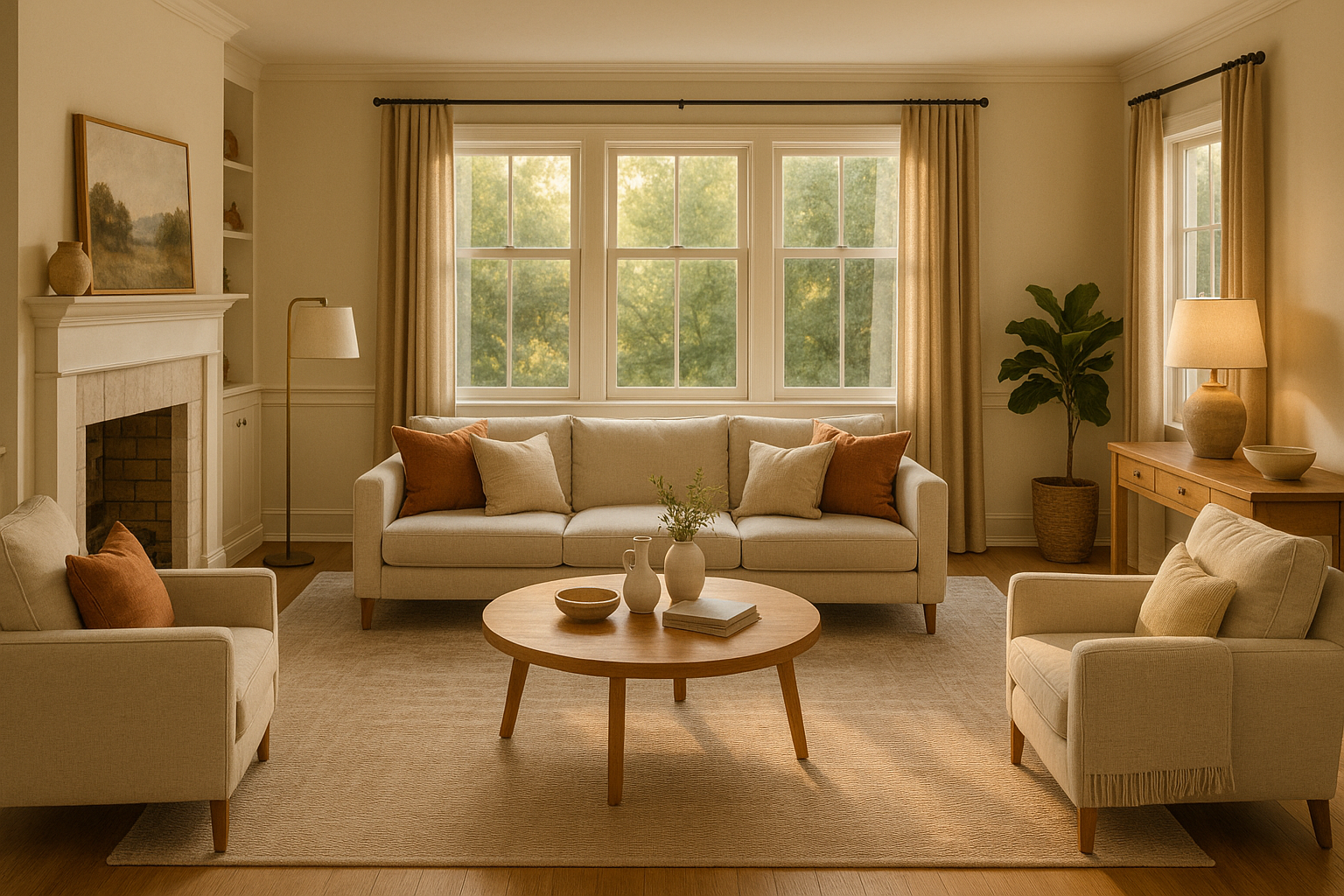
How to Plan a Family Room Remodel: A Step-by-Step Guide to Creating a Warm, Functional Living Space
The family room is the heart of the home—a space for movie nights, celebrations, quiet mornings, and everything in between. Because it serves so many purposes, planning a remodel requires more than picking paint colors. You need a clear vision, a smart layout, durable finishes, and practical upgrades that enhance comfort and flow.
If you’re thinking about giving your family room a refresh or a full transformation, here’s a step-by-step guide that walks you through the process like a pro.
1. Start With How You Actually Use the Space
Before choosing a single material, take inventory of your lifestyle:
Do you entertain often?
You may need open space, comfortable seating, and a media-friendly setup.
Have kids or pets?
You’ll want durable flooring, easy-clean fabrics, and rounded furniture edges.
Work from home sometimes?
Consider integrating a workstation or built-in shelves.
Love movie nights or gaming?
Prioritize lighting control, wiring, soundproofing, and media placement.
Write down your daily patterns—it will guide every decision going forward.
2. Establish a Clear Budget (and a Cushion)
A family room remodel can range from $3,500 for a light cosmetic update to $25,000+ for a full renovation with built-ins, flooring, and electrical work.
Break your budget down into categories:
Flooring (carpet, LVP, hardwood, tile)
Electrical (recessed lighting, outlets, smart features)
Walls & Paint
Trim / Carpentry
Built-ins & Storage
Furniture & Decor
Pro tip: Add a 10–15% contingency fund for surprises—especially in older homes.
3. Define the Layout Before You Pick Finishes
A great family room remodel starts with flow and function. Consider:
Traffic pathways
Make sure people can enter, exit, and move around without squeezing behind couches.
Focal points
Fireplace? TV wall? Windows? The room should orient around one clear focal point.
Zoning
Divide the room into functional areas (media zone, reading nook, kids’ corner).
Furniture scale
Oversized furniture can make the room feel cramped—measure before buying.
Sketch your layout or use free online tools to map your space before committing.
4. Upgrade the Essentials First: Lighting, Electrical & Structure
Homeowners often jump to paint and decor, but professionals start with the bones.
Lighting
The best family rooms have layered lighting:
Ambient: Recessed lights or ceiling fixtures
Task: Lamps, sconces, under-shelf lighting
Accent: LED strips, picture lights, fireplace lighting
Electrical
Consider upgrading or adding:
TV wiring and HDMI runs
Smart outlets and dimmers
USB/USB-C outlets
Dedicated gaming or media circuits
Structure
If you’re removing a wall or opening space to another room, consult a contractor to determine if it’s load-bearing.
5. Pick Materials That Fit Your Lifestyle
This is where the fun begins, but durability matters as much as style.
Flooring
Luxury vinyl plank (LVP): Waterproof, kid- and pet-friendly
Carpet: Warm and soft, ideal for basement family rooms
Hardwood: Classic, elegant, long-lasting
Walls & Trim
Smooth drywall gives a modern look
Shiplap or board-and-batten adds dimension
Oversized baseboards and clean crown molding elevate the room instantly
Built-ins & Storage
A remodel is the perfect time to add:
Media walls
Floating shelves
Storage benches
Fireplace surrounds
Hidden toy storage
6. Choose a Cohesive Design Style
Select a general theme to guide your finishes:
Modern farmhouse
Transitional
Coastal
Mid-century modern
Traditional
Urban modern
Use a mood board (Pinterest, Canva, or screenshots) to keep your entire project visually consistent.
7. Add Comfort Features That Make the Space Yours
This is where your family room goes from “nice” to wow.
Consider adding:
Electric or gas fireplace upgrade
In-wall or in-ceiling speakers
Smart lighting scenes
Feature wall with stone, tile, or wood
Built-in bar or beverage center
Accent ceiling beams or LED cove lighting
These upgrades improve both enjoyment and resale value.
8. Bring the Room Together With Furniture & Decor
After construction, it’s time to style:
Choose furniture that fits your layout (not just looks good online).
Layer textures: rugs, throw blankets, pillows.
Hang artwork that complements your palette.
Add greenery (real or faux) to bring life into the space.
Use baskets or cabinets for clutter-free living.
This stage transforms the remodel into a warm, finished living area.
9. Consider Hiring Pros—Even If It’s a Hybrid Approach
Many homeowners handle the design and cosmetic work but leave the structural and electrical to the pros. Consider hiring help for:
Structural changes
Electrical rewiring
Custom built-ins
Fireplace installation
Advanced carpentry or drywall finishes
A hybrid DIY + pro strategy can keep costs down while ensuring safety and quality.
Final Thoughts
Planning a family room remodel doesn’t have to be overwhelming. When you break it down into steps—vision, layout, budget, materials, and execution—you’ll create a comfortable, stylish space that truly fits how your family lives.
Whether you’re upgrading your forever home, preparing for resale, or simply craving a fresh look, a well-planned family room remodel adds tremendous value and enjoyment to everyday life.